Improve Berthing Performance with Reliable Mooring Bollards
When a vessel reaches the berth, every minute matters. Worn, poorly positioned or under-specified mooring bollards can slow line handling, increase crew exposure to snap-back zones and create avoidable delays during arrival, cargo operations and departure. The result is not only a safety concern; it can also reduce berth availability and raise the cost of each vessel call.
Fosters Energy helps marine operators address this performance risk with practical equipment solutions matched to the demands of the working environment.
What Mooring Bollards Do
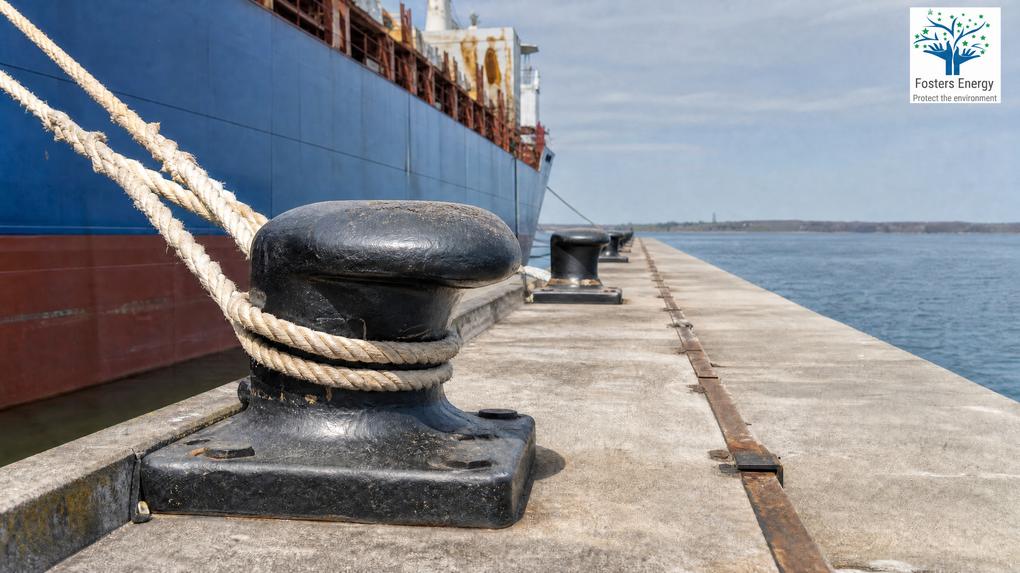
Mooring bollards provide secure anchoring points for ropes and lines that hold a vessel alongside a quay, jetty, dock or marine terminal. A properly selected and installed bollard transfers mooring loads into the supporting structure in a controlled way, helping the crew maintain line tension and keep the vessel safely positioned.
That stability supports faster, more predictable operations. It reduces the need for improvised line arrangements, repeated repositioning and corrective handling when wind, tide, current or loading conditions change.
Where They Improve Marine Operations
- Commercial ports and container terminals where berth turnaround depends on dependable line handling.
- Shipyards and repair docks where vessels may remain alongside through changing work conditions.
- Offshore support bases, jetties and service berths exposed to demanding marine loads.
- Passenger, ferry and industrial marine facilities requiring repeatable and safe vessel positioning.
Performance and Commercial Value
Mooring bollards are a relatively small part of a marine facility, but their reliability affects the whole berth operation. Durable construction and suitable load capacity help limit premature damage, unplanned replacement and interruptions to vessel movements. Consistent anchoring also makes line-handling routines more repeatable, supporting safer work planning and better use of berth time.
For a simple ROI review, calculate the value of time recovered. For example, removing 30 minutes from each of 20 monthly vessel calls recovers 10 vessel-hours per month. Multiply that by the verified hourly cost of delay, then add avoided emergency repair and replacement costs. This provides a site-specific business case without relying on generic savings promises.
Key Benefits
- Improved berth performance: dependable anchoring points support smoother arrivals, stays and departures.
- Lower operational risk: planned line arrangements reduce reliance on improvised securing methods.
- Longer service life: robust, application-appropriate equipment helps reduce replacement frequency.
- Reduced downtime exposure: reliable bollards help prevent berth interruptions caused by avoidable equipment issues.
- Better lifecycle cost control: selecting for actual marine loads can lower emergency maintenance and disruption costs.
Choose the Right Mooring Bollards for Your Facility
The right solution depends on berth layout, design loads, vessel profile, line arrangement and the surrounding marine environment. Fosters Energy can help procurement and technical teams evaluate these operating factors rather than choosing on price alone. Explore our engineering solutions for marine mooring bollards, then talk to our engineers about your application. You can also download company profile and technical documents for your internal review.