Marine Fenders: Reduce Berthing Damage and Control Lifecycle Cost
A hard berthing contact can do more than mark a vessel or quay. It can damage hull coatings, deform structural edges, loosen fixings and trigger an unplanned repair. When the fender system is undersized, worn or poorly matched to the berth, every impact becomes a potential cost event for port operators, shipyards and marine facilities.
Ignoring that risk often creates a cycle of emergency replacement, berth repairs and avoidable downtime. The lowest purchase price is rarely the lowest operating cost. A durable marine fender system helps absorb berthing energy in a controlled way, protecting the vessel and the structure while reducing the frequency and severity of damage.
What Marine Fenders Do
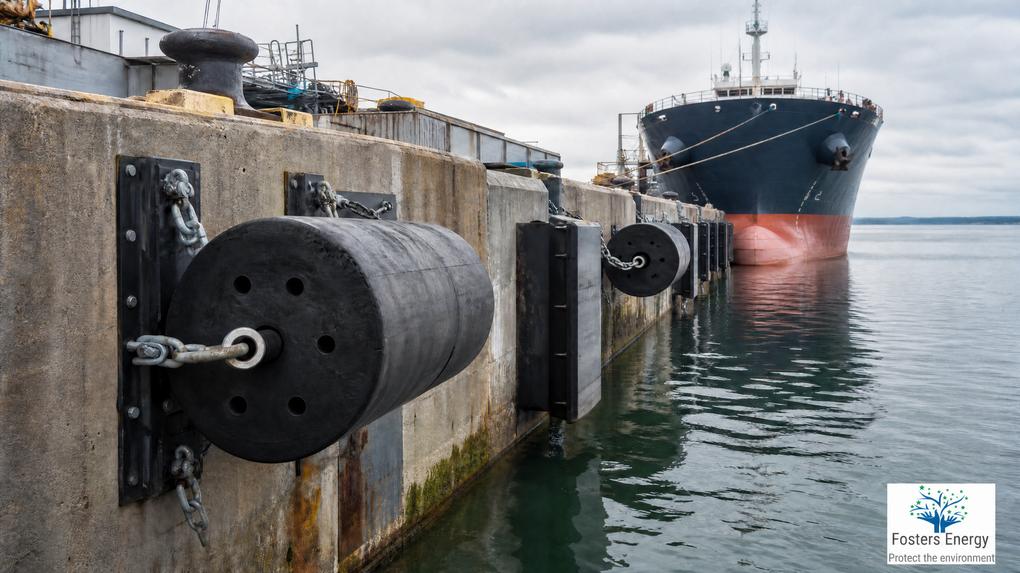
Marine fenders form the protective interface between a vessel and a quay, jetty, dolphin, dock wall or workboat landing. They cushion contact, distribute impact loads and help keep routine berthing within a safer operating range. The result is less stress on valuable assets and more predictable marine operations.
Fosters Energy supports customers in selecting marine fender solutions around the actual application, including vessel movement, berth layout, operating conditions and maintenance priorities. This engineering-led approach helps avoid the hidden cost of choosing a product that does not suit the service duty. Explore our industrial marine fenders services for application-focused support.
Where Marine Fenders Are Used
- Commercial ports and container berths where repeated vessel movements can accelerate structural wear.
- Shipyards and dry-dock approaches where hull protection and reliable positioning matter during manoeuvring.
- Oil, gas and bulk terminals where controlled contact helps protect high-value infrastructure.
- Workboat, tug and service-vessel berths exposed to frequent, short-cycle impacts.
Why They Matter for Cost Reduction
A well-matched fender reduces the cost of each contact and lowers the chance that a routine berth call becomes a repair project. It can also reduce replacement frequency and disruption to loading or maintenance schedules. For procurement teams, the ROI case should be measured against a clear baseline: target fewer damage-related interventions, lower annual replacement spend and a measurable reduction in downtime hours.
As a planning example, a 10% reduction in damage-related interventions combined with one avoided emergency repair can materially improve total cost of ownership. Savings depend on berth traffic, vessel energy, fender arrangement and maintenance history, making application review more useful than a generic comparison.
Key Benefits
- Lower lifecycle cost through fewer emergency replacements and structural repairs.
- Improved durability under repeated marine contact and demanding operating conditions.
- Reduced downtime risk by protecting berths and vessels during routine manoeuvring.
- More reliable operations through predictable energy absorption and load distribution.
- Better procurement decisions based on application fit, not price alone.
Choose an Engineering-Led Marine Solution
Marine fenders are a cost-control decision as much as a protection decision. With Fosters Energy, marine operators can discuss the operating problem, compare the total-cost implications and plan a solution that supports safer, more reliable berth performance. Talk to our engineers or Download company profile and technical documents to begin an application-focused review.