Antifouling Anodes: Improve Reliability in Marine Seawater Systems
A vessel can lose cooling performance before a seawater line becomes visibly blocked. Marine growth inside sea chests, strainers and pipework restricts flow, increases pump demand and places cooling equipment under avoidable stress. Left unmanaged, the problem can lead to overheating, emergency cleaning, schedule disruption or an unplanned stoppage.
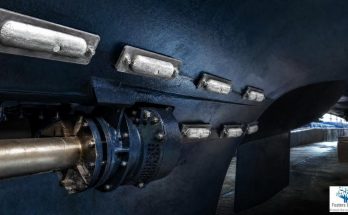
Fosters Energy supplies Antifouling Anodes for marine applications where reliable seawater flow is essential. By helping discourage marine organisms from settling inside seawater systems, the product supports more predictable operation at the point where fouling starts.
What Antifouling Anodes Do
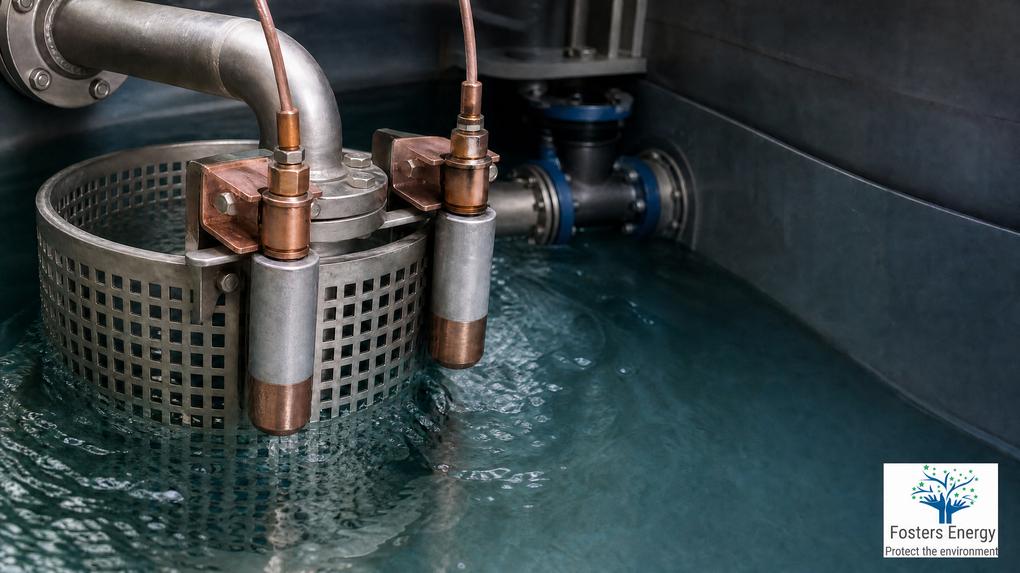
Antifouling Anodes are installed in areas such as sea chests or strainers, where they interact with incoming seawater. In an electrolytic antifouling arrangement, controlled anode action helps limit marine growth on internal surfaces and keep seawater passages open. This supports the performance of pumps, coolers, heat exchangers and other equipment connected to the cooling circuit.
The commercial value is clear: stable flow helps protect cooling performance, reduce reactive maintenance and give operators greater confidence when a vessel or offshore asset is working under load.
Marine Applications That Benefit from Better Reliability
Antifouling Anodes can be used in seawater intake and cooling arrangements on commercial vessels, offshore assets, coastal facilities and marine support systems. They are particularly valuable where access is difficult, operating windows are limited and a fouled intake could affect several systems at once.
- Fewer avoidable interruptions: help reduce the risk that marine growth will cause flow loss, overheating or emergency shutdowns.
- More efficient operation: cleaner passages can limit unnecessary pumping effort caused by restriction and pressure loss.
- Lower maintenance burden: reduce dependence on frequent manual cleaning, access planning and reactive labor.
- Longer equipment service life: help limit conditions that accelerate deterioration in seawater pipework, strainers and cooling equipment.
- Better maintenance planning: support predictable upkeep instead of costly intervention after performance has already declined.
Turn Reliability into a Measurable Business Case
Calculate the opportunity from vessel data rather than relying on a generic savings promise. For illustration, a 2% recovery on a 1,000 kW auxiliary load equals 20 kW. At 4,000 operating hours and $0.12 per kWh, that equals $9,600 in potential annual energy value, before avoided cleaning, emergency labor or downtime. Actual results depend on fouling conditions, system design and operating profile.
Product selection should therefore reflect the seawater environment, equipment arrangement and operating risk. Fosters Energy can support that review with industrial antifouling anodes solutions suited to the application under evaluation.
Support More Dependable Marine Operations
If fouling, unstable cooling or repeated cleaning is affecting vessel performance, a focused assessment can show where reliability is being lost. Talk to our engineers about your application, and download company profile and technical documents to support your procurement and engineering review.