A plate heat exchanger does not need to fail completely to become expensive. Fouling, gasket deterioration, internal leakage and rising pressure loss can quietly reduce heat-transfer performance while your plant consumes more energy and operators compensate with longer run hours or higher utility demand. When the exchanger is left untreated, a manageable service issue can become an unplanned shutdown, production loss or premature replacement.
Fosters Energy approaches this problem through plate heat exchanger performance restoration: a practical repair strategy that targets the source of the loss before replacement becomes the only option.
Why Performance Drops in Energy Plants
Process fluids can deposit scale, suspended solids and oil on plate surfaces. Repeated thermal cycling can harden or damage gaskets, while corrosion or plate defects may create cross-contamination and leakage. These conditions restrict flow, increase pressure drop and reduce the exchanger’s ability to deliver the required duty. The result is higher operating cost and less reliable plant output.
A Controlled Restoration Process
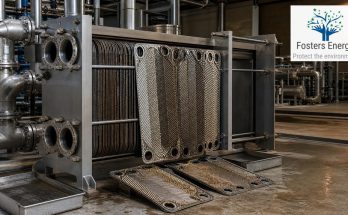
Each intervention begins with a condition-based assessment and a clear scope of work. The exchanger is isolated and dismantled safely so plates, gaskets and flow paths can be examined rather than replaced blindly.
- High-pressure cleaning removes deposits and restores open flow channels.
- Chemical cleaning addresses deposits that water pressure alone cannot remove, using a controlled method appropriate to the service condition.
- Dye penetrant testing helps identify surface cracks or defects that could lead to leakage.
- Plate replacement is limited to damaged or unsuitable plates, reducing unnecessary capital cost.
- Re-gasketing renews sealing integrity and reduces the risk of process-fluid mixing.
- Reassembly and hydrostatic testing verify correct compression, leak tightness and restart readiness before the exchanger returns to service.
Cost-Effective Repair With Measurable Value
Restoration makes the business case visible. Performance can be compared before and after service through heat-transfer duty, approach temperature and pressure-drop readings. The ROI assessment can then quantify the percentage of lost efficiency recovered, hours of downtime avoided and the cost difference between targeted repair and full equipment replacement. In many plants, extending the useful life of sound plates while correcting only the failure points protects maintenance budgets and reduces operational disruption.
Why Choose Fosters Energy?
Fosters Energy works as an engineering partner, not simply a contractor. The focus is to connect inspection findings with operating priorities: lower energy demand, dependable heat recovery, safer containment and a realistic return-to-service plan. Our industrial plate heat exchanger performance restoration services help energy plants make informed repair decisions and extend equipment life.
If fouling, leakage or pressure loss is affecting your exchanger, talk to our engineers about a practical restoration assessment. You can also download company profile and technical documents to review Fosters Energy’s industrial capabilities.