Deck Mooring Equipment for Faster, More Reliable Marine Operations
When Mooring Delays Become an Operating Cost
Extra minutes on deck can become a significant cost across a vessel’s operating year. Difficult line handling, repeated adjustments and poorly matched deck equipment slow berth approaches, increase crew exposure and create avoidable pressure on lines and deck contact points. Left unresolved, small delays can develop into damaged equipment, missed schedules and unplanned downtime.
Fosters Energy helps marine operators assess practical equipment solutions around the way their vessels actually work, rather than treating mooring hardware as a standard purchase.
What Deck Mooring Equipment Does
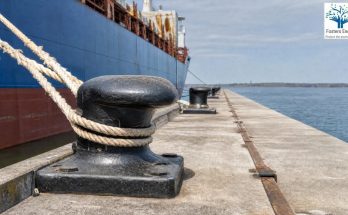
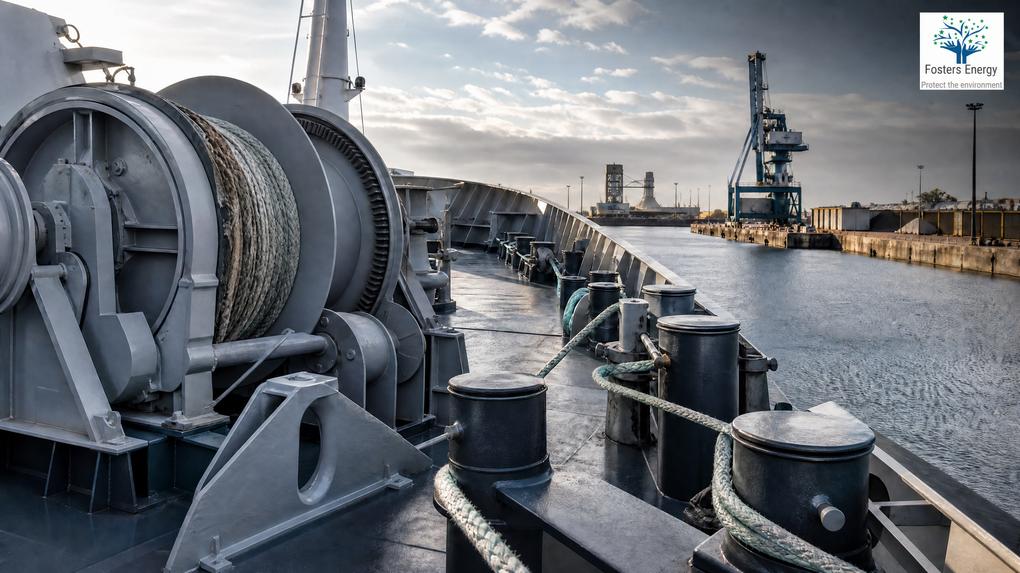
Deck Mooring Equipment provides a controlled interface between the vessel, mooring lines and the berth. Correctly selected and positioned equipment helps guide line movement, manage working loads and make routine mooring steps more consistent. The result is a deck operation that is easier to repeat, easier to inspect and less dependent on improvised handling.
Where It Supports Marine Operations
Deck mooring equipment is used on commercial vessels, workboats, offshore support vessels and other marine assets that berth frequently, operate in exposed conditions or depend on reliable station-keeping. It is especially valuable where short turnaround times, restricted deck space and changing operating loads make every mooring sequence important.
Operational Optimization in Practical Terms
Optimization starts with matching the equipment to the vessel’s deck arrangement, line-handling routine, operating environment and maintenance access. Durable construction and a sensible layout help reduce repeat adjustments, limit avoidable wear and keep inspections focused on the points that matter most. This supports faster turnarounds without making safety dependent on speed alone.
Illustrative business case: if a vessel completes 300 mooring operations each year and a better-organized deck mooring arrangement reduces a 30-minute sequence by 10%, the operator recovers approximately 15 vessel-hours. If mooring-related delays fall from eight hours to six hours, downtime is reduced by 25%. At an assumed vessel-time exposure of $1,000 per hour, that represents $2,000 in avoided delay cost, before considering crew productivity or schedule protection. Actual savings should be calculated against the vessel’s own rates and operating profile.
Key Benefits
- More consistent line handling and faster vessel turnaround.
- Reduced risk of schedule disruption caused by avoidable mooring delays.
- Better durability in demanding marine environments, supporting longer service life.
- Lower maintenance pressure through easier inspection and more controlled equipment use.
- Safer, more predictable deck routines for crews and operating teams.
Choose the Right Mooring Solution
The best result comes from equipment that fits the vessel, not from a generic specification. For practical guidance, review Fosters Energy’s marine engineering support for deck mooring equipment. To discuss an operating challenge, Contact Fosters Energy or Download company profile and technical documents before planning your next improvement.