Vessels for Energy Operations: Turn Capacity into Reliable Output
When an energy operation relies on vessels that do not match the duty, the result can be more than an equipment issue. Unstable process conditions, avoidable waiting time, and higher energy use can reduce the output of an otherwise capable plant. For plant managers and procurement teams, the real cost is often hidden in lost capacity, emergency interventions, and downtime risk.
The right vessel should be assessed as part of the operating system, not as an isolated purchase. Fosters Energy helps decision-makers connect equipment choices with practical performance goals: stable operation, controlled lifecycle cost, and a clearer route to payback.
What Vessels Do for Energy Operations
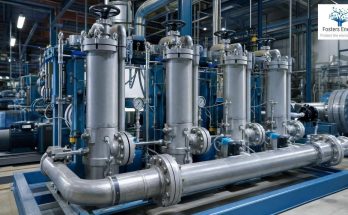
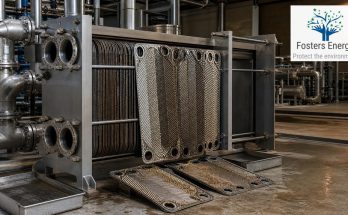
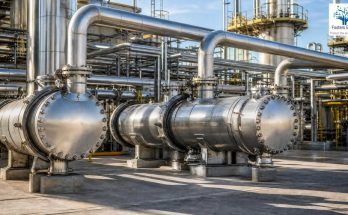
Industrial vessels provide controlled containment and operating space for process fluids, materials, buffering, or separation steps. When selected around the duty and operating conditions, they help maintain steadier flow, support consistent processing, and make plant conditions easier to manage. The business benefit is better use of installed capacity without forcing the operation to compensate through excessive energy input or frequent intervention.
Where Vessels Create Value
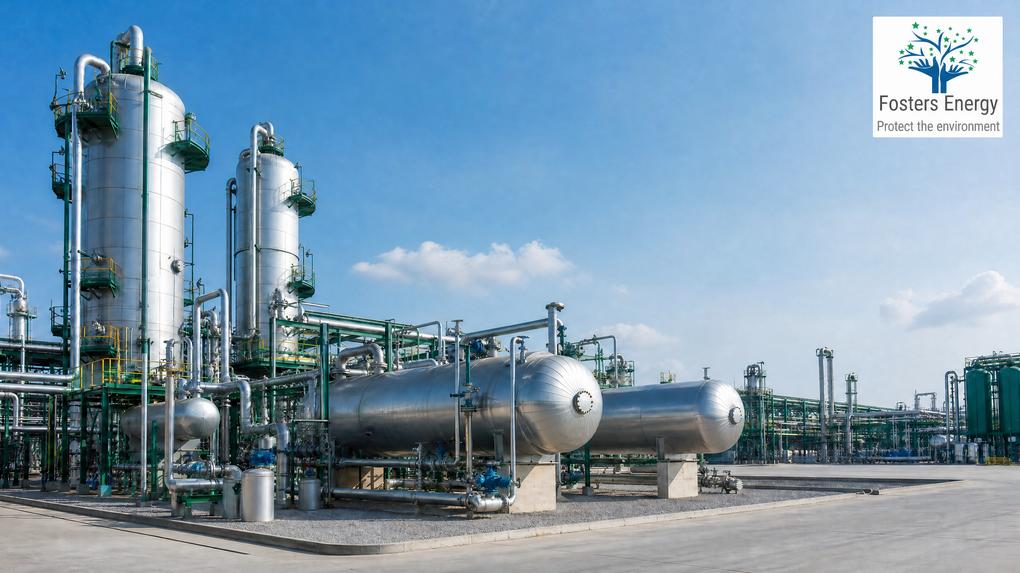
In Energy facilities, vessels can support feed and product storage, process buffering, mixing, separation, and other controlled operating steps. They can absorb fluctuations between connected equipment and help protect throughput when upstream or downstream conditions change. This makes them relevant across power-generation, oil-and-gas, chemical, and renewable-fuel environments where reliability directly affects production economics.
Operational Optimization and ROI
A vessel contributes to ROI when it reduces the need for workarounds. Better process stability can improve usable capacity, shorten recovery after disturbances, and reduce exposure to unplanned shutdowns. It can also make inspection planning, maintenance budgeting, and spare-parts decisions more predictable.
A practical business case should quantify the opportunity before purchase. As a planning scenario, a site may test a 5–10% reduction in energy demand for the affected duty, 10–15% fewer hours of disruption, and a 12–24-month payback. These are evaluation targets, not blanket guarantees; final results depend on the duty, sizing, materials, operating conditions, and baseline data. Fosters Energy’s assessment-led approach helps turn those variables into measurable decision criteria.
Key business benefits
- More stable throughput: Buffer process variation and reduce avoidable operator intervention.
- Lower energy intensity: Support efficient operation instead of compensating for unstable conditions.
- Reduced downtime exposure: Limit the financial impact of disturbances and emergency work.
- Predictable lifecycle cost: Improve maintenance planning and reduce surprises after installation.
- Greater operational reliability: Give connected equipment a more controlled process environment.
Choose Vessels as a Performance Decision
Vessels should earn their place in an Energy project through measurable operating value, not only an attractive purchase price. To review industrial vessel engineering solutions and align the opportunity with site priorities, Contact Fosters Energy. You can also Download company profile & technical documents before discussing the operating data, performance targets, and payback case for your facility.