The Hidden Risk of Low-Sulfur Fuel: Protecting Marine Engines
When vessels switch to low-sulfur Marine Gas Oil (MGO) to comply with emission regulations, a hidden operational risk emerges. MGO has a significantly lower viscosity than heavy fuel oil. If this fuel is not properly cooled before reaching the engine, the viscosity drops below safe limits, leading to severe wear on fuel pumps, increased leakage, and ultimately, catastrophic engine failure. For fleet operators, ignoring this thermal challenge means risking unexpected downtime and massive repair costs.
What the MGO Cooling Unit Does
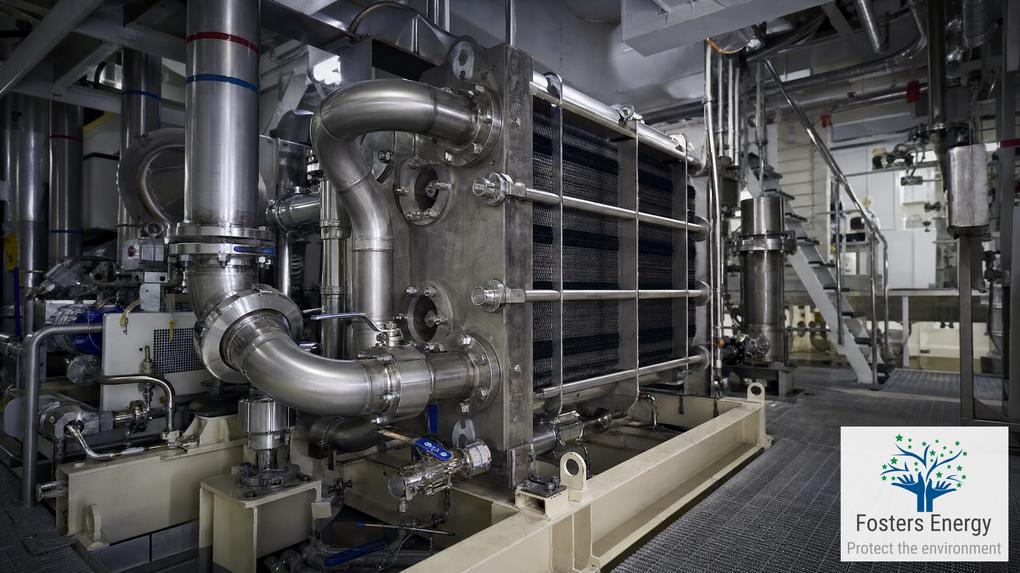
An MGO Cooling Unit is engineered to precisely lower the temperature of marine gas oil before it enters the fuel injection system. By maintaining the fuel at the optimal temperature, the unit ensures that the viscosity remains within the engine manufacturer’s required specifications. This targeted thermal control prevents the fuel from becoming too thin, safeguarding the delicate internal components of the fuel system.
Where It Is Used
These specialized cooling systems are critical for modern marine applications. They are installed in the engine rooms of commercial vessels, cargo ships, and offshore platforms that operate in emission control areas. Whether retrofitting an older vessel or equipping a new build, reliable cooling is essential for safe and compliant maritime operations.
Why It Matters: Reliability and Cost Reduction
The business impact of uncontrolled fuel temperature is profound. Without proper cooling, the rapid degradation of fuel pumps leads to forced vessel stoppages and expensive component replacements. Implementing a robust cooling solution translates directly to improved operational reliability. It extends the service life of engine parts, reduces maintenance frequency, and ensures that the vessel remains operational and profitable. When you rely on expert industrial MGO cooling unit services, you secure long-term performance.
Key Benefits of the System
- Enhanced Durability: Protects fuel pumps and injectors from premature wear and tear.
- Uninterrupted Operation: Drastically reduces the risk of engine failure and costly unplanned downtime.
- Regulatory Compliance: Allows safe operation on low-sulfur fuels without compromising engine health.
- Cost Savings: Lowers overall lifecycle maintenance costs by extending equipment longevity.
- Stable Performance: Ensures consistent fuel viscosity regardless of fluctuating ambient temperatures.
Optimize Your Vessel’s Performance
Do not let fuel viscosity issues compromise your fleet’s reliability. Partnering with Fosters Energy ensures you receive engineering solutions designed for the harshest marine environments. Our team is ready to help you improve operations and protect your critical assets.
Contact Fosters Energy today to discuss your technical requirements, or Download company profile & technical documents to learn more about our marine engineering capabilities.