When Unstable Separation Starts Raising Energy Costs
In an energy plant, poor separation can create a chain of expensive problems: liquid carryover, gas contamination, higher pressure drop, unstable downstream equipment, and avoidable shutdowns. When a separator is undersized, poorly configured, or not matched to the process, pumps and compressors work harder while product quality and operating confidence decline.
Ignoring these symptoms can turn a manageable design issue into lost production, increased maintenance, and safety exposure. The right Three Phase Separator design helps plant teams control this risk at the point where gas, oil, and water must be separated reliably.
What a Three Phase Separator Does
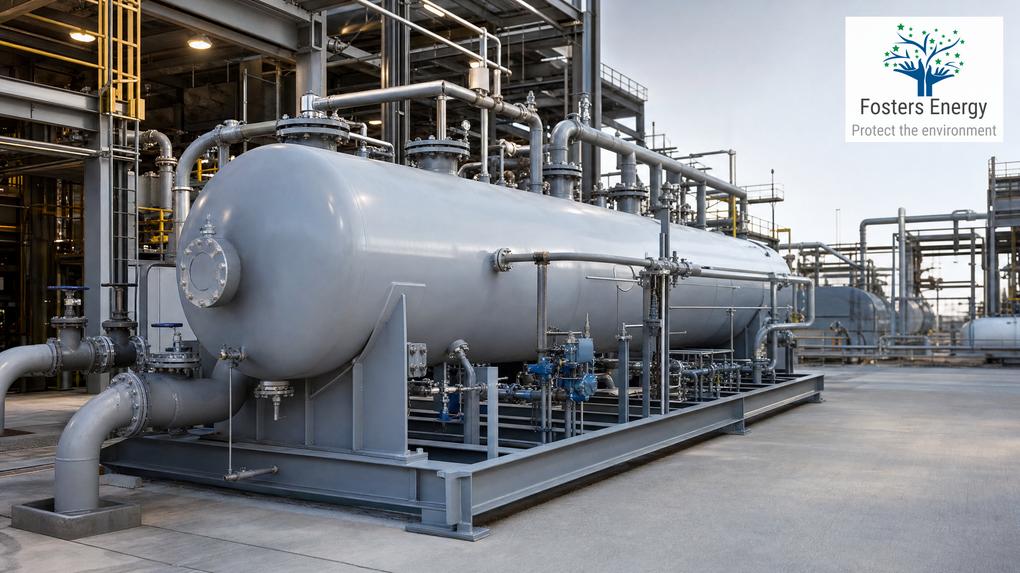
A Three Phase Separator is engineered to divide a mixed production stream into gas, liquid hydrocarbon, and water phases. The vessel uses controlled flow, residence time, and separation internals to support cleaner phase removal before the stream reaches compression, treatment, metering, or storage equipment.
Good engineering design is not simply about selecting a vessel. It means considering flow range, operating pressure and temperature, fluid properties, expected surges, outlet control, access for inspection, and the energy demand of connected equipment. A design that fits the actual process reduces rework and supports more stable operation.
Where It Creates Value in Energy Operations
Three Phase Separators are used in upstream production facilities, well-stream handling systems, early production units, gas processing plants, and crude oil treatment systems. By removing unwanted liquid from gas and separating water from hydrocarbons, the system helps protect downstream equipment and maintain predictable process conditions.
Engineering Design Benefits That Reach the Bottom Line
- Lower energy demand: Better phase control can reduce unnecessary pressure loss and help pumps and compressors operate closer to their intended duty.
- Improved equipment reliability: Cleaner outlet streams reduce the risk of liquid carryover, erosion, corrosion, and process upset in downstream equipment.
- Reduced downtime: A design built around real operating conditions makes maintenance access and future inspection more practical.
- Longer asset life: Controlled separation reduces stress on connected equipment, helping defer replacement and major repair costs.
- Measurable ROI: For example, if improved separation lowers a plant’s avoidable energy and maintenance burden by only 3% on a $1 million annual operating cost base, the indicative annual benefit is $30,000 before production gains are counted. Actual results depend on the process and baseline data.
Choose a Design That Supports Long-Term Performance
Fosters Energy approaches separator supply as an engineering decision, not a catalogue purchase. Our team can help review the operating challenge, define the design basis, and align the Three Phase Separator with the plant’s efficiency, reliability, and lifecycle-cost objectives. Explore our engineering solutions for energy plants to see how the right support can reduce operational risk.
When separation performance is affecting energy use or production stability, Talk to our engineers about your application. You can also Download company profile & technical documents for more information about Fosters Energy industrial solutions.