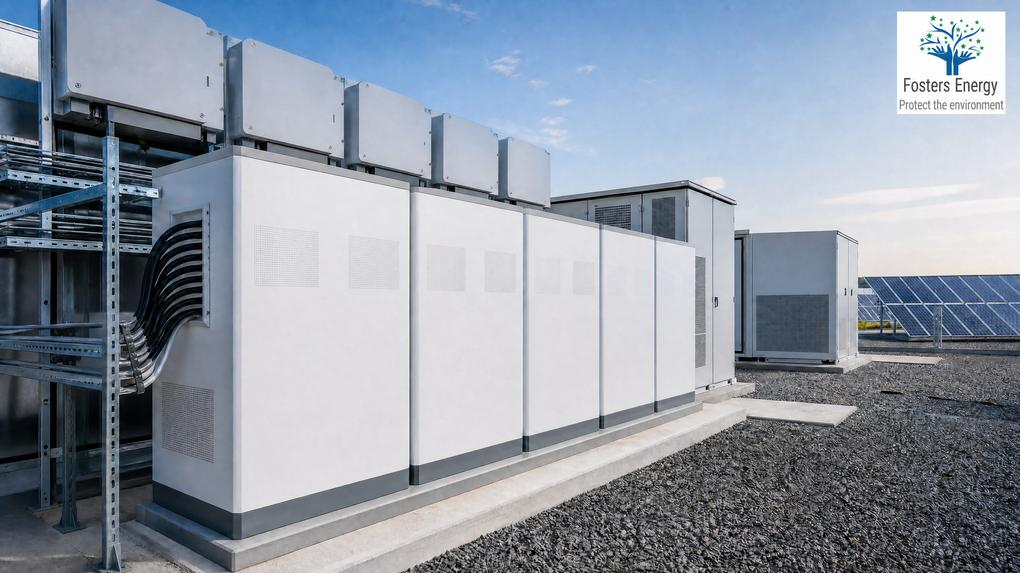
Solar System Batteries: Improve Energy Performance Before Power Loss Becomes a Production Cost
Solar generation can reduce daytime electricity costs, yet many energy facilities still lose performance when solar output falls, loads change, or the grid becomes unstable. Without effective storage, excess power may be curtailed while critical equipment remains exposed to peak tariffs, generator runtime and avoidable interruptions. The result is higher operating cost and less value from the solar investment.
Fosters Energy supplies Solar System Batteries that help industrial users capture surplus solar power and make it available when the facility needs it most. In simple terms, the battery acts as a controlled energy reserve: it stores available solar energy, supports demanding loads and helps maintain a more stable power profile.
How Solar System Batteries Enhance Performance
For an energy plant, the objective is not simply to add storage. It is to improve the way the entire power system operates. A correctly sized battery can reduce reliance on diesel generation, smooth short-duration fluctuations and support essential loads during grid disturbances. This can improve equipment utilisation while reducing the cost of inefficient start-stop operation.
Where They Are Used
Solar System Batteries are suitable for solar installations serving power plants, substations, remote energy sites, utility support systems and industrial facilities with critical electrical loads. They can also support control systems, monitoring equipment and auxiliary services that must remain available while the main power source changes.
Business Benefits for Energy Operations
- Higher solar utilisation: Store surplus daytime generation instead of wasting available energy, improving the return on the solar asset.
- Lower operating cost: Shift stored energy into expensive periods and reduce unnecessary generator fuel consumption.
- More reliable power: Provide fast support for critical loads during short interruptions and unstable supply conditions.
- Less downtime exposure: Keep priority systems supported while operators respond to grid or generation changes.
- Longer equipment life: Reduce repeated generator cycling and stressful power fluctuations that increase maintenance demands.
For initial planning, site owners can test the business case against measurable targets such as 10–20% lower generator runtime, 5–15% lower peak-period energy purchases and 15–30% fewer short-duration power interruptions. These are planning ranges, not guarantees; actual savings depend on the load profile, tariff structure, solar capacity, battery sizing and operating controls.
Fosters Energy can help organisations assess the operational requirement and select a practical storage approach around performance, reliability and lifecycle cost. Explore our industrial solar system batteries services, then Talk to our engineers about your site objectives. You can also Download company profile & technical documents to support your internal evaluation.