Solar System Batteries: Enhance Energy Performance and Improve ROI
When Solar Output Is Available but Plant Performance Still Drops
A solar array can generate valuable electricity and still leave an industrial operation exposed. Output falls when clouds pass, demand peaks, or production continues after sunset. If the battery system is aged, poorly matched to the load, or unable to deliver power consistently, the result can be avoidable grid purchases, generator cycling, unstable critical loads, and costly interruptions.
Ignoring that gap turns renewable generation into underused capacity. Fosters Energy approaches industrial solar system batteries services as an engineering performance decision: the storage solution must support the way the plant actually operates.
What Solar System Batteries Do
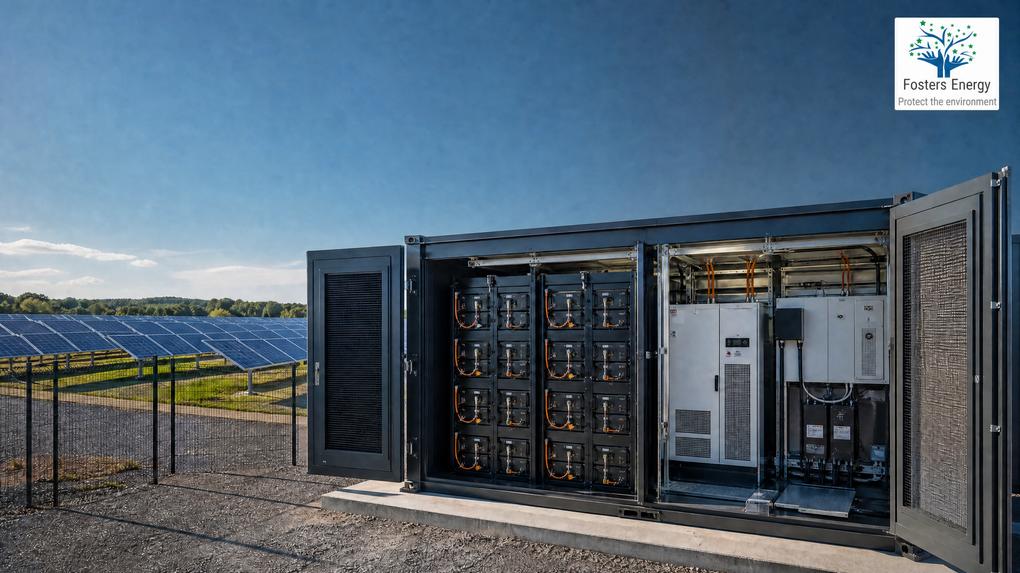
Solar System Batteries store surplus solar energy when generation is higher than immediate demand, then release that energy when production drops or the load increases. This helps stabilize the site’s power supply, improve the usable output of the solar installation, and reduce reliance on expensive peak electricity or standby generation.
The commercial value comes from matching storage capacity, discharge rate, operating conditions, and duty cycle to the site’s load profile. A correctly selected system helps the solar asset deliver more useful energy without requiring the plant to change its core production process.
Where They Improve Energy Operations
Solar System Batteries are used with industrial rooftop and ground-mounted solar installations, solar-powered pumping and treatment facilities, remote energy sites, and operations that need dependable power for critical equipment. They are especially valuable where grid quality is inconsistent, peak tariffs are significant, or a short interruption can disrupt production.
Performance Enhancement That Can Be Measured
A storage upgrade should be evaluated against operating data, not a generic promise. As an illustrative planning range, a properly sized battery solution may support a 10–20% improvement in usable solar utilisation, a 20–30% reduction in battery-related power interruptions, and an 8–15% reduction in avoidable peak-energy cost. These are planning targets rather than guaranteed results; final savings depend on the solar profile, load pattern, tariff structure, battery condition, and operating strategy.
Fosters Energy can help decision-makers connect those performance measures to payback, lifecycle cost, maintenance planning, and reliability priorities. The objective is not simply to add storage, but to make the existing energy system work harder and more consistently.
Key Business Benefits
- More solar energy available for productive plant loads instead of being curtailed or wasted.
- Fewer disturbances to critical equipment, reducing downtime exposure and restart losses.
- Lower dependence on peak grid electricity and unnecessary generator operation.
- More predictable performance through a battery solution selected for the site’s duty cycle.
- Better lifecycle decisions by linking battery condition and replacement timing to operating cost.
Plan the Next Performance Gain
If your solar installation is underperforming during peak demand or losing value outside daylight hours, a battery assessment can identify where storage will create the strongest return. Talk to our engineers about your load profile and operating priorities, or download company profile and technical documents before planning your next upgrade.