When a pressure excursion, fire signal, or process-control failure develops in an energy plant, every second matters. Without a coordinated emergency shutdown system, operators may be forced to identify the threat, isolate equipment, and protect the wider process manually—while damage, downtime, and safety exposure continue to increase.
Fosters Energy helps energy-sector decision-makers strengthen plant performance by treating emergency shutdown capability as part of operational reliability, not only as a compliance requirement.
What Emergency Shutdown Systems Do
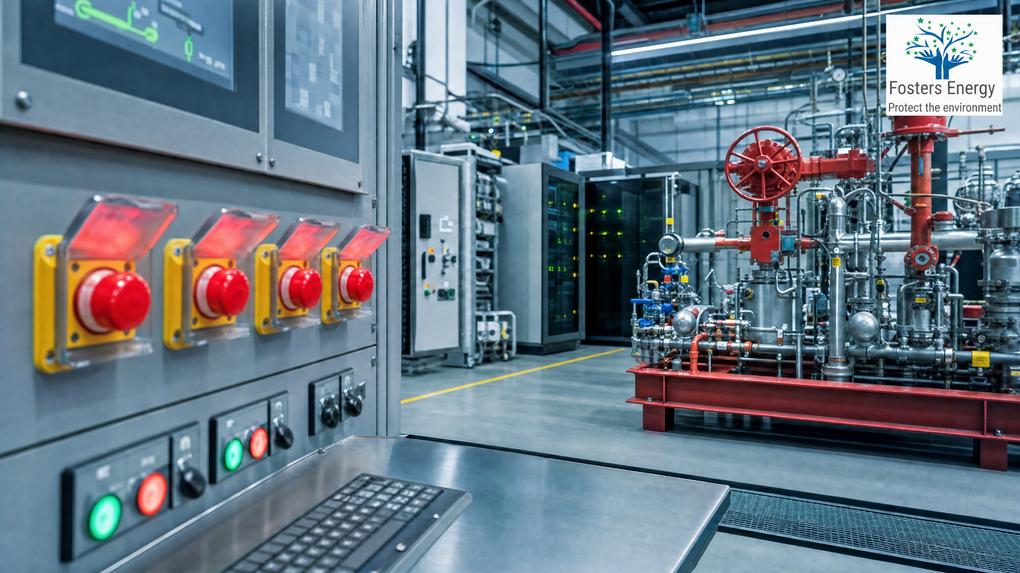
An Emergency Shutdown System (ESD) detects defined hazardous conditions and initiates a controlled response, such as isolating fuel or process flow, stopping selected equipment, and placing affected plant sections into a safer state. The aim is simple: limit the scale of an incident before it becomes equipment damage, a prolonged outage, or a wider operational emergency.
By reducing dependence on delayed manual intervention, an ESD can also protect stable production. Faster isolation helps prevent one abnormal event from disrupting connected systems, contaminating equipment, or creating repeated restart problems.
Where Energy Plants Use ESD Protection
Emergency shutdown systems are used across applications where stored energy, pressure, temperature, or combustible materials create operational risk. Typical settings include power-generation facilities, oil and gas processing areas, gas and fuel handling systems, compressor stations, storage and transfer systems, and other process skids requiring rapid isolation.
Performance Enhancement with Safety Built In
A well-engineered ESD solution supports performance in four practical ways. It protects critical assets from escalation, reduces the duration and cost of unplanned downtime, supports safer maintenance and restart decisions, and gives operators a clear response during high-pressure events.
For planning purposes, the commercial case can be measured against the plant’s own incident and downtime data. Preventing one avoidable shutdown may save the full value of lost production and emergency repair. Even a 1% improvement in annual availability can materially outweigh the cost of targeted protection on a high-throughput process. A site assessment should confirm the realistic figure; no responsible supplier should promise a universal percentage.
- Lower disruption risk: rapid isolation can contain abnormal conditions before they affect adjacent equipment.
- Improved availability: fewer escalation events help protect production continuity and planned output.
- Reduced lifecycle cost: limiting damage lowers emergency repairs, replacement exposure, and restart effort.
- Better operational control: defined shutdown logic supports faster, more consistent decisions for operators.
- Stronger safety performance: a controlled response helps reduce personnel exposure during serious process events.
Why Work with Fosters Energy?
Emergency shutdown performance depends on more than installing a panel or adding a sensor. The solution must reflect the plant process, critical equipment, operating risks, and required shutdown response. Fosters Energy approaches the requirement as an engineering and performance-improvement decision, helping customers identify where protection can deliver the greatest reliability and business value.
To review your plant’s risk and performance priorities, explore our engineering solutions for energy plants and industrial emergency shutdown systems. You can also Contact Fosters Energy to discuss a practical consultation, or Download company profile & technical documents for further information.