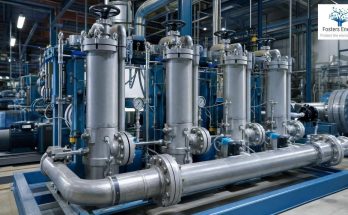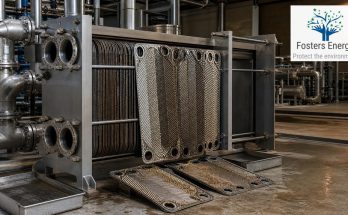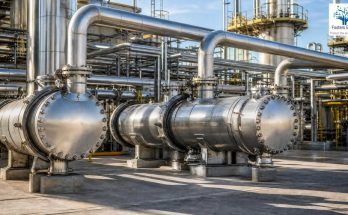
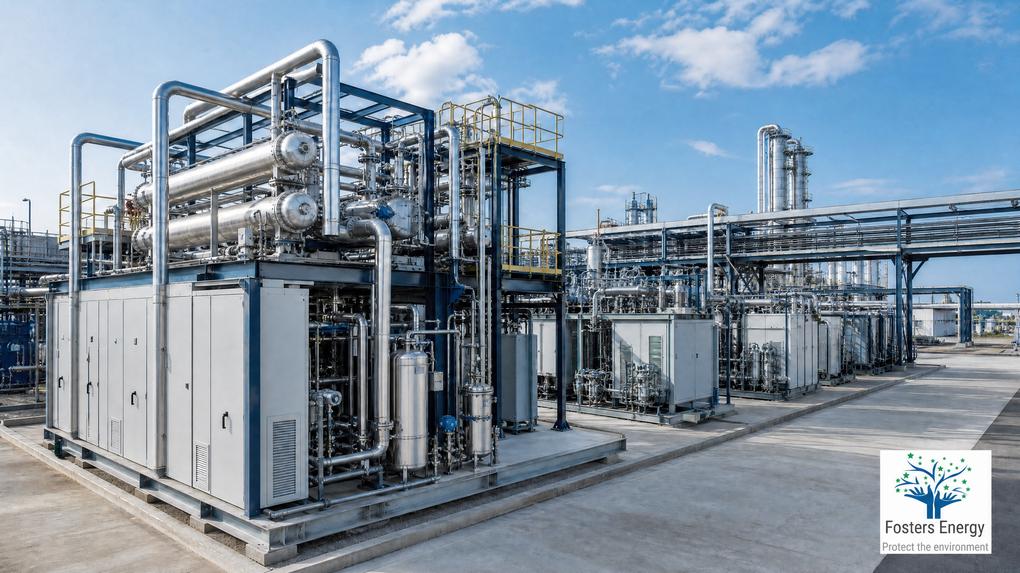
When hydrogen supply is undersized, poorly integrated or costly to run, the impact reaches far beyond the utility bill. Production constraints, purchased-hydrogen exposure and avoidable shutdown risk can erode project economics. Fosters Energy helps decision-makers focus on the real question: how can a hydrogen plant be engineered to lower lifecycle cost while supporting dependable energy operations?
Hydrogen Plants Manufacturing Starts with Cost Control
Hydrogen plants manufacturing is the disciplined design and build of a production system around the required capacity, available power or feedstock, operating profile and downstream demand. The aim is not simply to produce hydrogen. It is to create an asset whose energy use, uptime and maintenance requirements support a lower cost per kilogram over its operating life.
For water-electrolysis projects, electricity is a major operating cost. Plant sizing and system integration therefore matter commercially, not just technically. The International Renewable Energy Agency reports that increasing electrolyser scale from 1 MW to 20 MW can reduce costs by more than one-third, illustrating why capacity planning deserves early engineering attention.
Where an Engineered Hydrogen Plant Creates Value
Energy-sector applications include hydrogen for refinery processes, power-generation support, industrial fuel use and on-site supply where delivery logistics can add recurring cost. A properly specified plant aligns production with consumption, storage and site conditions so that owners can avoid building capacity that sits idle or relying on supply arrangements that expose operations to price volatility.
Effective industrial hydrogen plants manufacturing services consider the whole operating picture: production technology, utilities, compression or storage interfaces, controls and maintainability. This integrated view helps identify cost drivers before they become expensive modifications after commissioning.
Why the ROI Case Matters
The ROI case should be measured against a site baseline, including current hydrogen purchase cost, energy consumption, availability targets, maintenance exposure and the financial consequence of interrupted supply. Rather than promising a universal saving, a sound feasibility review quantifies the project-specific reduction in cost per kilogram, avoids unnecessary capital spend and makes downtime assumptions visible.
Key Commercial Benefits
- Lower lifecycle cost through right-sized capacity and fewer avoidable modifications.
- Better energy performance by matching plant design to the site’s power and operating profile.
- Reduced supply risk through dependable on-site production capability.
- More predictable maintenance planning through accessible, service-conscious system design.
- Stronger investment decisions through transparent cost-per-kilogram and uptime assumptions.
Plan the Plant Around the Cost You Need to Control
Hydrogen production is a long-term operating decision, not a stand-alone equipment purchase. Speak with the Fosters Energy team about the production, integration and lifecycle-cost questions that matter to your site. Contact Fosters Energy to start an engineering conversation, or download company profile & technical documents to review our capabilities.
Source: International Renewable Energy Agency, Green Hydrogen Cost Reduction.