Safety Filters and Strainers: A Practical Route to More Reliable Energy Plants
A small amount of debris in a cooling-water, fuel, lubrication, or process line can become a major operating problem. Blocked flow raises pressure loss, starves downstream equipment, and can trigger nuisance alarms or an unplanned shutdown. When the issue is ignored, the plant pays twice: through lost production and through emergency maintenance performed under pressure.
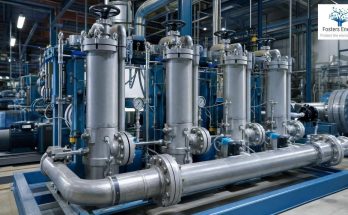
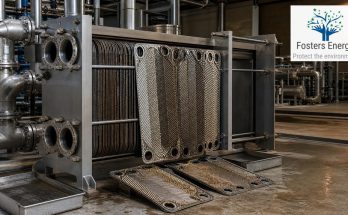
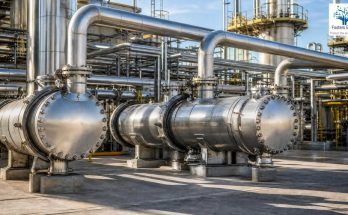
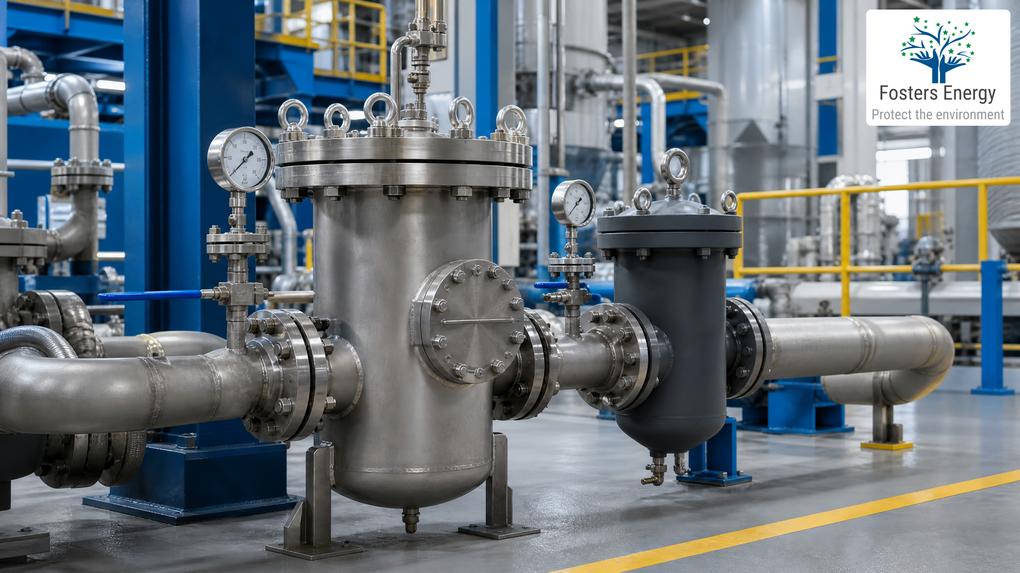
Fosters Energy supplies Safety Filters and Strainers as a practical first line of protection for critical energy systems. By capturing unwanted particles before they reach pumps, valves, heat-transfer equipment, and instrumentation, the right filtration point helps maintain stable flow and protects equipment that is far more expensive to repair or replace.
What Safety Filters and Strainers Do
Filters and strainers remove suspended solids from a fluid stream while allowing the process to continue operating within its intended duty. Strainers are commonly used for coarser particle protection and straightforward cleaning; filters provide finer control where contamination can affect precision, heat transfer, or component life. Selection should follow the fluid, flow rate, particle load, pressure conditions, and maintenance method—not a generic catalogue choice.
Where Energy Plants Use Them
- Cooling-water circuits protecting pumps, condensers, and heat exchangers.
- Fuel and oil systems reducing contamination risk to burners, engines, and lubrication points.
- Process-water lines supporting dependable valves, spray systems, and instrumentation.
- Utility and boiler-support systems where restricted flow can reduce output and increase operating stress.
Why They Improve Reliability
A correctly positioned filter or strainer makes contamination visible and manageable before it becomes a system failure. Cleaner flow can reduce pressure-related stress, stabilize equipment performance, and extend service intervals. That translates into fewer interruptions, lower corrective-maintenance cost, and safer work planning because teams are less often forced into urgent interventions.
Build the business case with site data. For example, set targets to reduce filter-related stoppage hours by 10%, recover 1% of pumping or cooling efficiency, and avoid one emergency cleanout per year. Multiply those improvements by the plant’s outage cost, energy tariff, and maintenance rate to calculate payback. The value is not the filter alone; it is the downtime and equipment damage it helps prevent.
Key Benefits
- Improves flow stability and supports consistent plant output.
- Protects critical equipment from damaging contamination.
- Reduces pressure-loss-related energy waste and operating stress.
- Supports planned cleaning instead of disruptive emergency work.
- Lowers lifecycle cost by helping extend equipment service life.
Choosing the right arrangement is an engineering decision, not simply a purchasing exercise. Fosters Energy can support companies looking for industrial safety filters and strainers services and practical protection for Energy-sector operations. Talk to our engineers about your reliability priorities, or download company profile and technical documents before planning your next improvement.