The Hidden Cost of High Intake Temperatures in Power Generation
In power generation facilities, thermal inefficiency is more than just an operational headache—it is a direct threat to profitability. When gas turbines and large-scale industrial engines draw in hot, less dense air, combustion efficiency drops significantly. This forces equipment to burn more fuel to maintain output, accelerating component wear and inflating operational costs.
Ignoring high intake temperatures can lead to frequent thermal tripping, reduced power capacity, and unplanned downtime. To maximize energy yield and protect high-value assets, plants must implement robust thermal management. The most effective engineering solution for this challenge is the integration of a high-performance charge air cooler.
What is a Charge Air Cooler?
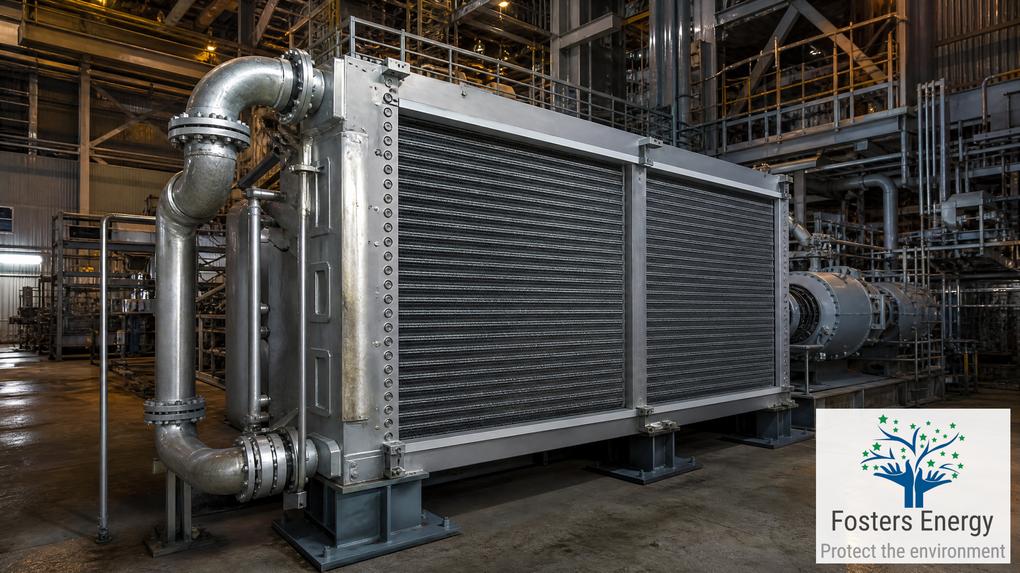
A charge air cooler is a specialized industrial heat exchanger designed to lower the temperature of compressed air before it enters an engine or turbine’s combustion chamber. By removing the heat generated during the compression cycle, the cooler increases air density.
This denser air delivers more oxygen per cycle, resulting in a cleaner, more powerful, and highly efficient combustion process. For plant managers, this translates directly to improved fuel economy and lower emissions.
Critical Applications in the Energy Sector
Charge air coolers are indispensable in continuous-duty power generation environments. They are widely deployed in natural gas power plants, diesel generator sets, and cogeneration (CHP) facilities.
Whether stabilizing the intake air for a baseload gas turbine or ensuring peak performance in standby power applications, these coolers operate under extreme pressure and temperature conditions, demanding rigorous engineering and material resilience.
Why It Matters: The Business Impact
Investing in a premium charge air cooler is a strategic decision that impacts the bottom line. By optimizing combustion, facilities can drastically reduce their fuel consumption while simultaneously lowering thermal stress on engine components.
This reduction in thermal fatigue extends the lifespan of critical machinery and stretches the intervals between major overhauls. Ultimately, plants achieve higher availability, lower lifecycle costs, and a stronger competitive position in the energy market.
Key Operational Benefits
- Increased Power Output: Cooler, denser air enables maximum combustion efficiency and higher megawatt yields.
- Lower Fuel Consumption: Optimized oxygen ratios reduce the volume of fuel required to hit target loads.
- Extended Equipment Lifespan: Lower operating temperatures protect cylinder heads, valves, and turbine blades from thermal degradation.
- Reduced Emissions: Complete combustion minimizes unburned hydrocarbons and lowers overall greenhouse gas output.
- Minimized Downtime: Robust construction prevents unexpected failures, ensuring reliable, continuous power generation.
Optimize Your Plant Performance
Do not let thermal inefficiency compromise your plant’s profitability. At Fosters Energy, we specialize in delivering high-performance industrial charge air cooler services and supply tailored to the demanding needs of the energy sector.
Ready to improve your operational efficiency? Contact Fosters Energy to speak with our engineering team today, or download company profile & technical documents to explore our complete range of heat exchanger solutions.