The Hidden Cost of Unfiltered Hazards in Energy Operations
In high-pressure energy facilities, a single debris-related blockage or equipment failure can trigger a cascading series of operational and safety risks. Contaminants in pipelines and fluid systems do not just cause inefficiency; they create hazardous conditions that put both personnel and critical infrastructure in jeopardy. Ignoring the need for robust industrial safety filters and strainers exposes energy plants to catastrophic downtime, unexpected maintenance costs, and severe safety compliance violations.
What Are Safety Filters and Strainers?
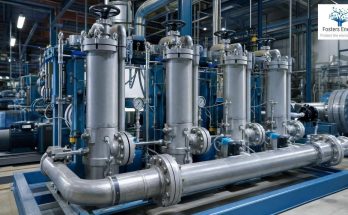
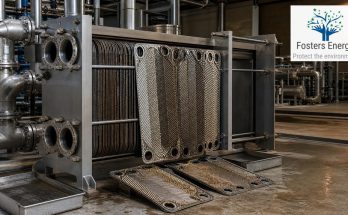
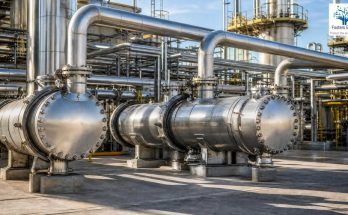
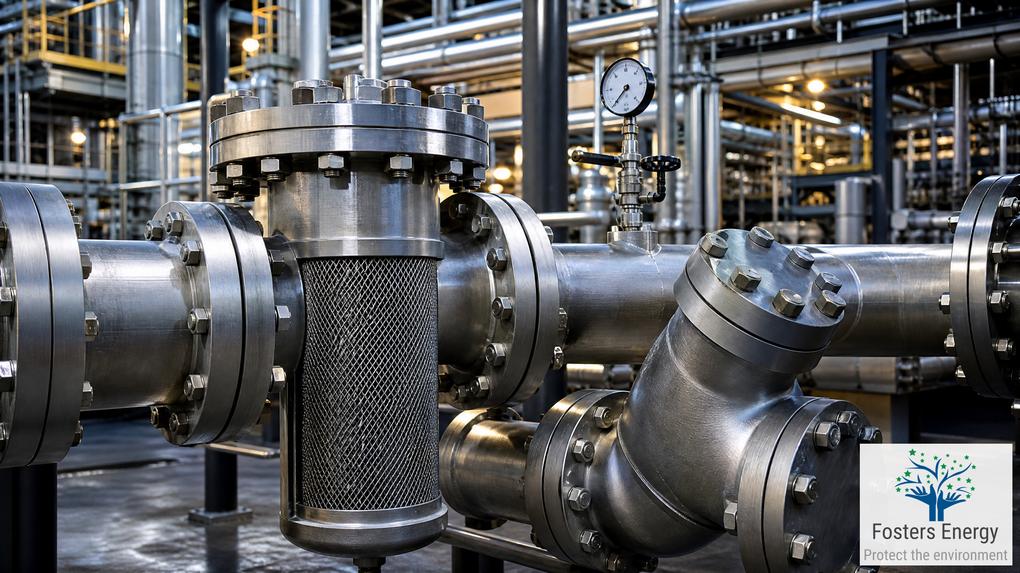
Safety filters and strainers are engineered protective devices designed to remove solid particulates, debris, and contaminants from fluid and gas streams. Acting as the first line of defense, they intercept hazardous materials before they can reach sensitive downstream equipment such as pumps, compressors, and heat exchangers. By maintaining fluid purity and system integrity, these components are essential engineering solutions for energy plants that prioritize both performance and safety.
Critical Applications in the Energy Sector
In the energy sector, safety filters and strainers are deployed across a variety of demanding applications. They are critical in cooling water systems, where they prevent organic matter and scaling from obstructing flow. In oil and gas processing, they protect high-value compressors and turbines from pipeline scale and rust. Additionally, in chemical dosing and boiler feed systems, these strainers ensure that only clean, particle-free fluids pass through, mitigating the risk of hazardous chemical reactions or catastrophic pressure buildup.
Why Filtration Matters: Performance and Safety Impact
The business impact of implementing high-quality filtration systems extends far beyond basic maintenance. Unplanned shutdowns due to fouled equipment or pipeline ruptures can cost energy plants millions in lost production and emergency repairs. By integrating reliable safety filters and strainers, plant managers can significantly reduce these risks. The result is a more stable operation, enhanced equipment durability, and a safer working environment that strictly adheres to industrial safety standards.
Key Business Benefits
- Enhanced Safety Compliance: Reduces the risk of pressure surges and hazardous leaks by preventing pipeline blockages.
- Maximized Equipment Lifespan: Protects expensive downstream machinery from abrasive wear and catastrophic failure.
- Reduced Unplanned Downtime: Ensures continuous, stable operations by minimizing the need for emergency maintenance interventions.
- Optimized System Efficiency: Maintains optimal flow rates and pressure levels, directly lowering energy consumption and operational costs.
Secure Your Operations with Fosters Energy
Protecting your personnel and your bottom line requires more than just standard equipment; it requires engineered reliability. Fosters Energy provides advanced safety filtration solutions tailored for the rigorous demands of the energy sector. Do not wait for a critical failure to address your system’s vulnerabilities.
Talk to our engineers today to evaluate your plant’s filtration needs and enhance your operational safety. For detailed specifications and performance data, download the full spec sheet.